
Did the old heater keep up?
If it did, a tank with the same fuel and a similar first-hour rating is the simplest swap. If hot water ran short, our tank water heater page explains first-hour rating and recovery before you pick a bigger size.
Sized for how you use hot water
Replace a tank like for like, move up a size, or switch to tankless or a heat pump. We size the new heater to your household or business, plan the gas or electrical, venting, and drain details, and give you a written price before work begins.
Watch for these signs
Our services
Your options
Most replacement decisions come down to three questions about the heater you have now.
If it did, a tank with the same fuel and a similar first-hour rating is the simplest swap. If hot water ran short, our tank water heater page explains first-hour rating and recovery before you pick a bigger size.
Gas to electric, tank to tankless, or a move to a heat pump each changes the gas line, circuit, venting, or drain work, so the installation is planned along with the heater.
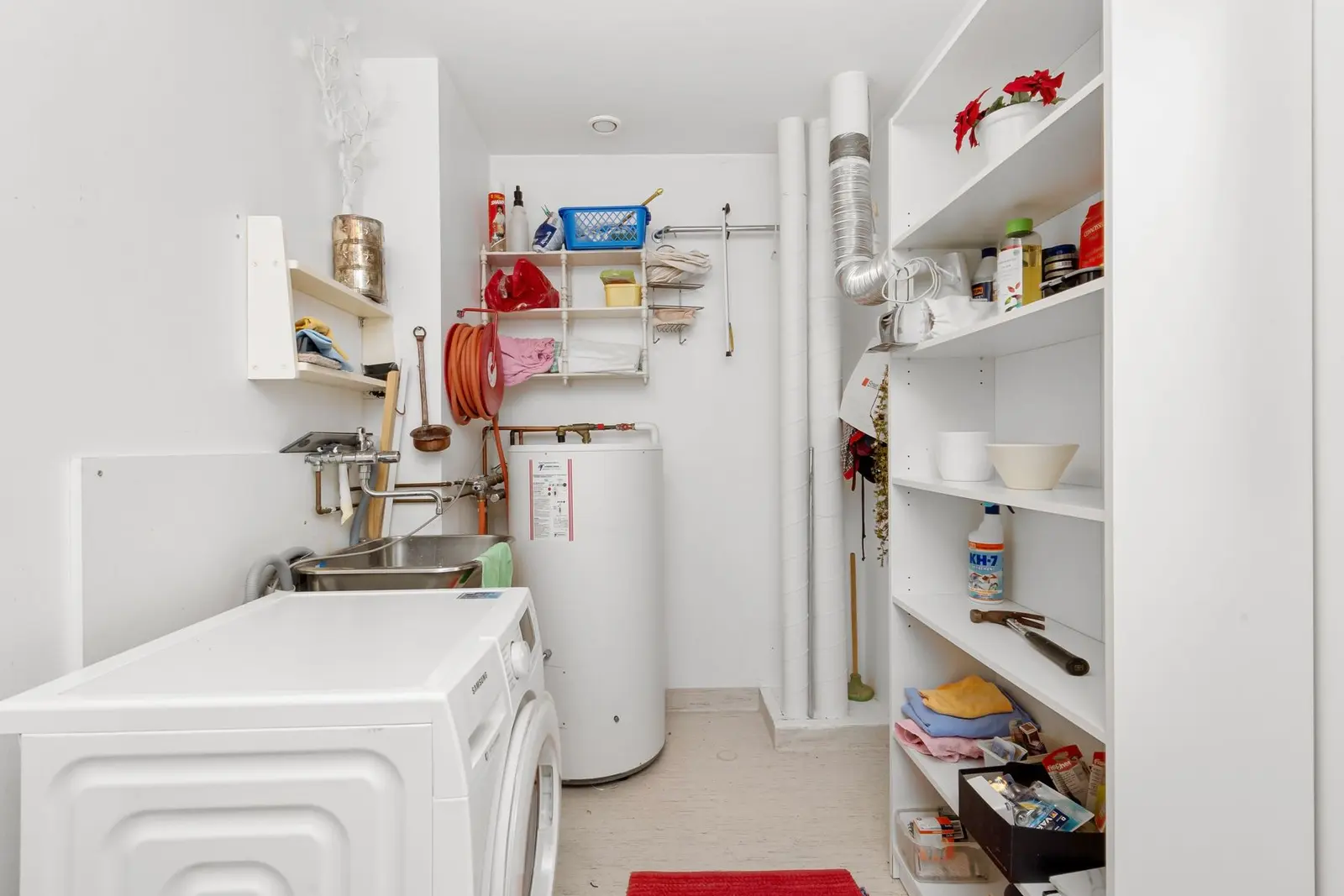
The closet, garage, or attic, the vent route, and a nearby drain decide whether the new heater can sit where the old one did.
Around the Valley
Valley water leaves scale in tanks and tankless heat exchangers. Ask how the new heater should be flushed or descaled, and whether a softener or scale filter is worth adding for your water.
Planning the work
Our home page lists budget ranges for standard and 75-gallon tank replacements, rounded from paid past jobs. They are planning ranges, not fixed offers, and some installations cost more.
Tankless, heat-pump, and commercial systems are quoted separately because the gas, electrical, and venting work varies so much. Whatever you choose, we confirm the full price in writing before work begins.
A tankless conversion is a system change, not a different-shaped heater. A gas unit can need a larger gas line and new venting, and a condensing model needs a condensate drain. An electric whole-home unit can need several large circuits and more panel capacity than the old tank used.
Compare a tankless unit with a correctly sized tank before paying for those upgrades. Permit rules depend on your city and on what changes. Mesa, for example, publishes which water heater replacements need a permit (see Sources below).
Your city's adopted plumbing code governs, and we confirm what applies at your address. Phoenix, for example, adopted its 2024 Building Construction Code effective August 1, 2025, and other Valley cities adopt their own editions. These are the items a replacement is checked against, as Phoenix's 2024 residential code words them:
What happens next
Send a photo of the old heater's label, the fuel, and where it sits, and tell us how the property uses hot water.
We size the replacement and check the gas or electrical supply, venting, drain, and space.
You get a written price for the heater and the installation before work begins.
We install and start the new heater, then test the temperature, the relief valve, and every connection for leaks.
Common questions
Our standard and 75-gallon tank ranges are published on our home page. They come from paid past jobs and are not fixed offers. Your price depends on the heater, the access, and any gas, electrical, or venting changes, and we confirm it in writing before work begins. Tankless, heat-pump, and commercial systems are quoted separately.
Yes, if the panel has room for a dedicated circuit sized for the new heater. The old gas line is capped and the vent is removed or sealed. Compare operating costs and recovery before switching.
It can be when you have long hot-water runs, limited space, or back-to-back showers, and the gas line, circuit, and venting can support it. A failed tank is a good moment to compare, but a like-for-like tank is the simpler path.
Same-day replacement is often available, depending on the job. Tell us the fuel, the tank size, and where the heater sits, and send a photo of the label, so we can confirm what the replacement involves.
Yes, where the space works. ENERGY STAR notes that manufacturers typically require 450 or 700 cubic feet of free air around the heater, and the condensate needs a drain.
Related services
Get help
Tell us what is happening and our team will be in touch.
5-star feedback for One Call Plumbing Services, the local team behind Water Heater Warehouse AZ: 4.8 out of 5 from 78 Google reviews (October 2026).
“Kyle from One Call Services assisted us with the annual maintenance service on our tankless water heater. … Kyle was knowledgeable, professional, and very timely in his work.”
Barbara B.Posted on Google, May 2023
View on Google (opens in a new tab)“Quick to respond, fair on the cost and offered a lot of solutions to avoid ongoing issues.”
DavePosted on Google, Jan 2026
View on Google (opens in a new tab)